

By Zen Master Sebastian Rizzon
ZEN HISTORY

“If you can realize this directly, only then can you participate with the masters.”
—Wumen Huikai, The Gateless Gate (無門關), Case 1 Commentary
Why is Zen so often misunderstood?
Zen points directly to the mind-heart—beyond words, beyond concepts. For this reason, Zen’s history, stories, and koans can be difficult to understand when taken out of context. The teaching has always been passed from teacher to student, with each lesson tailored to the specific moment and understanding thoroughly tested by a living Zen Master. Having undergone this training on my own path to becoming a Zen Master, I now aim to bring the original intent of these classical teachings to light for contemporary readers.
If you find these history blogs valuable and want to see more, consider supporting the Mind Light Way School of Zen, a 501(c)(3) nonprofit organization. Your support helps make this research possible and allows us to continue sharing Zen’s rich history with a wider audience. If there are other topics you’d like to see covered in future articles, feel free to send us an email —I’d love to hear from you.
Support our mission
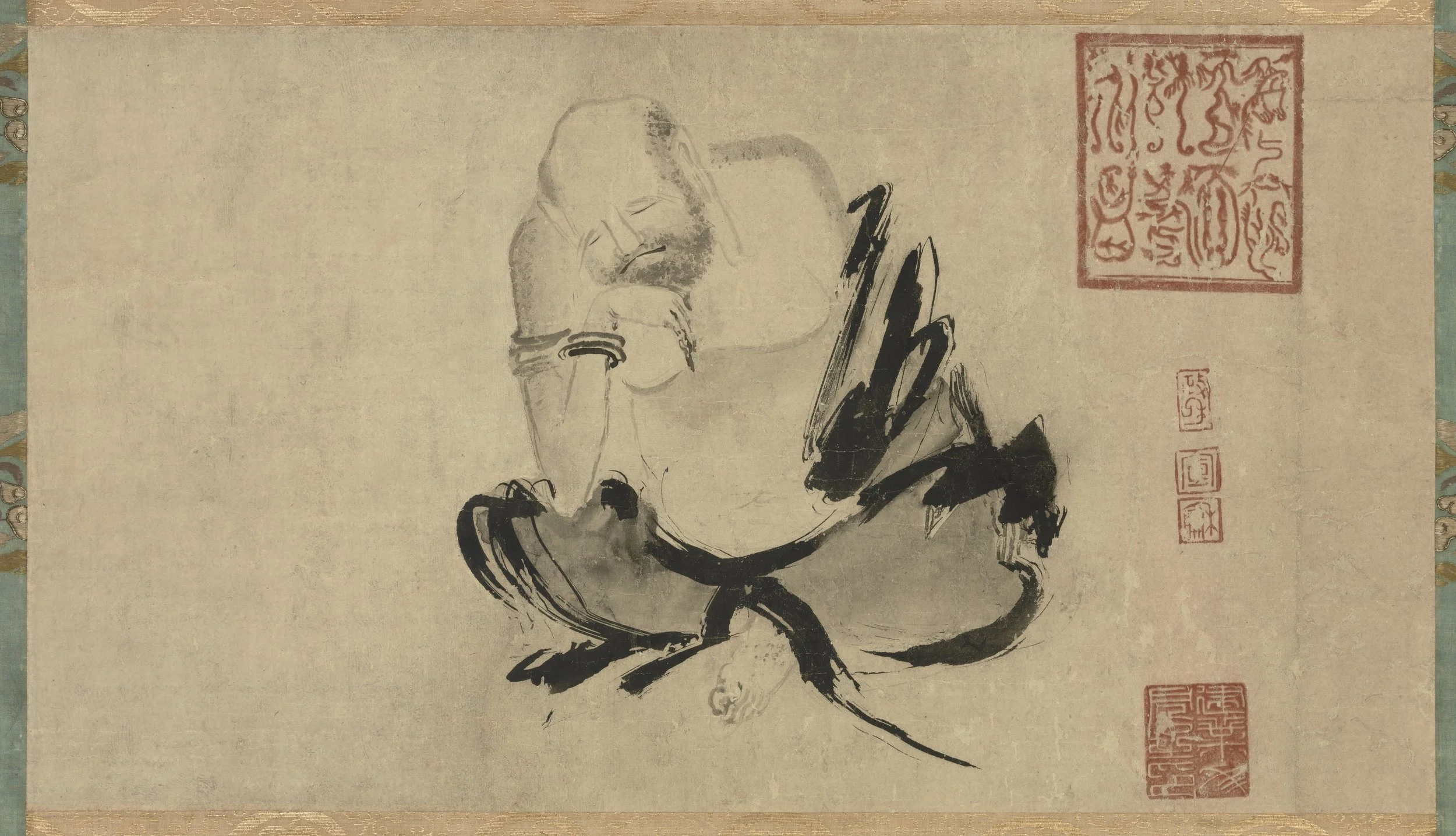
PArt 9 | Huike: The Zen (Chan) Master They Killed
What kind of teaching becomes dangerous enough that someone bribes the authorities to kill the teacher?
In the seventh century, Bodhidharma’s successor, the Chan master Huike (HWAY-kuh), was slandered for possessing understanding-and-insight said to surpass the rest — insight that unsettled established centers of religious authority. Rivals sent emissaries to destroy his teaching community. When those emissaries heard him speak, they joined him instead. His opponents grew furious. He was accused of speaking “demonic words.” In the end, his opponents bribed the authorities to have him killed.